Article
Rise and fall of Atari consoles
From Pong and the Atari 2600 to the 1983 crash, Lynx and Jaguar: the brilliant, chaotic story of Atari hardware.

The name that helped invent modern video games
Before Atari became a nostalgia brand, it was a rupture. Founded in 1972 by Nolan Bushnell and Ted Dabney, the company appeared when video games were not yet a living-room industry or a mainstream language. Pong set the tone: a concept anyone could understand in seconds, an arcade machine that pulled crowds, and a business model that turned a simple black screen into pop culture.
Atari did not only sell games. It sold a new idea of electronic entertainment: immediate, social, spectacular, and simple enough for people who had never touched a computer. That instinct carried the company into the home, and later pushed it into its own excesses.
Atari 2600, the console that brought games home
The Atari Video Computer System, later known as the Atari 2600, launched in 1977. Its most important idea was not only technical: it separated the console from the games through interchangeable cartridges. Instead of buying a fixed machine with a few built-in titles, players could build a library.
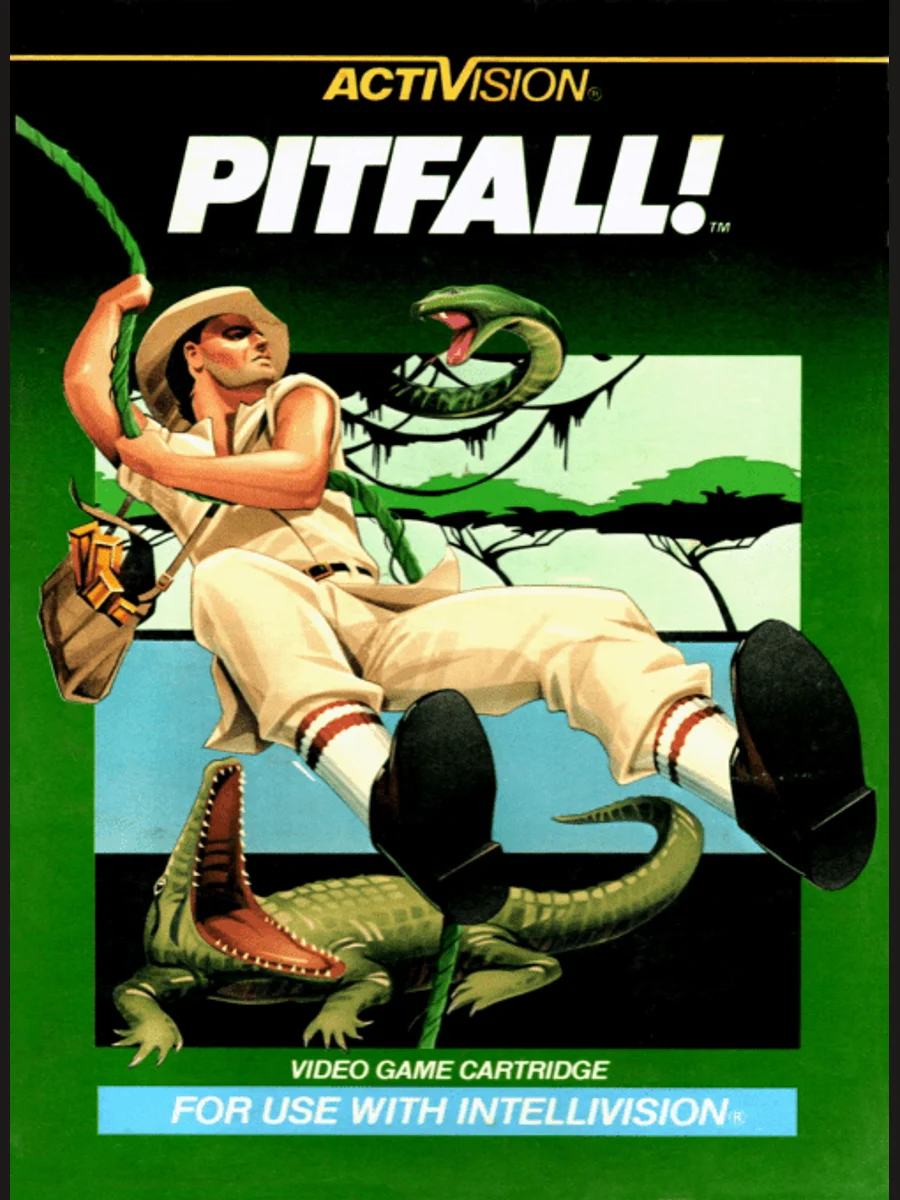
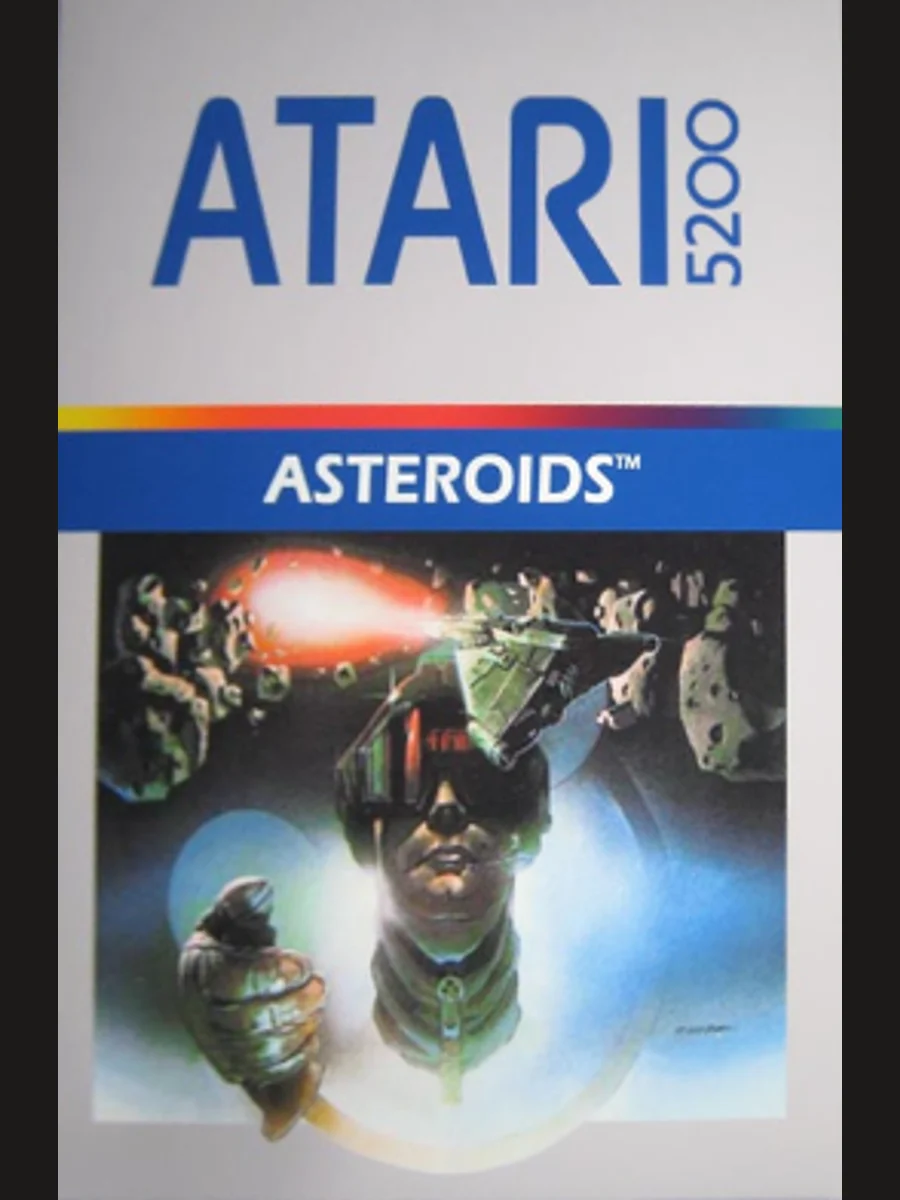
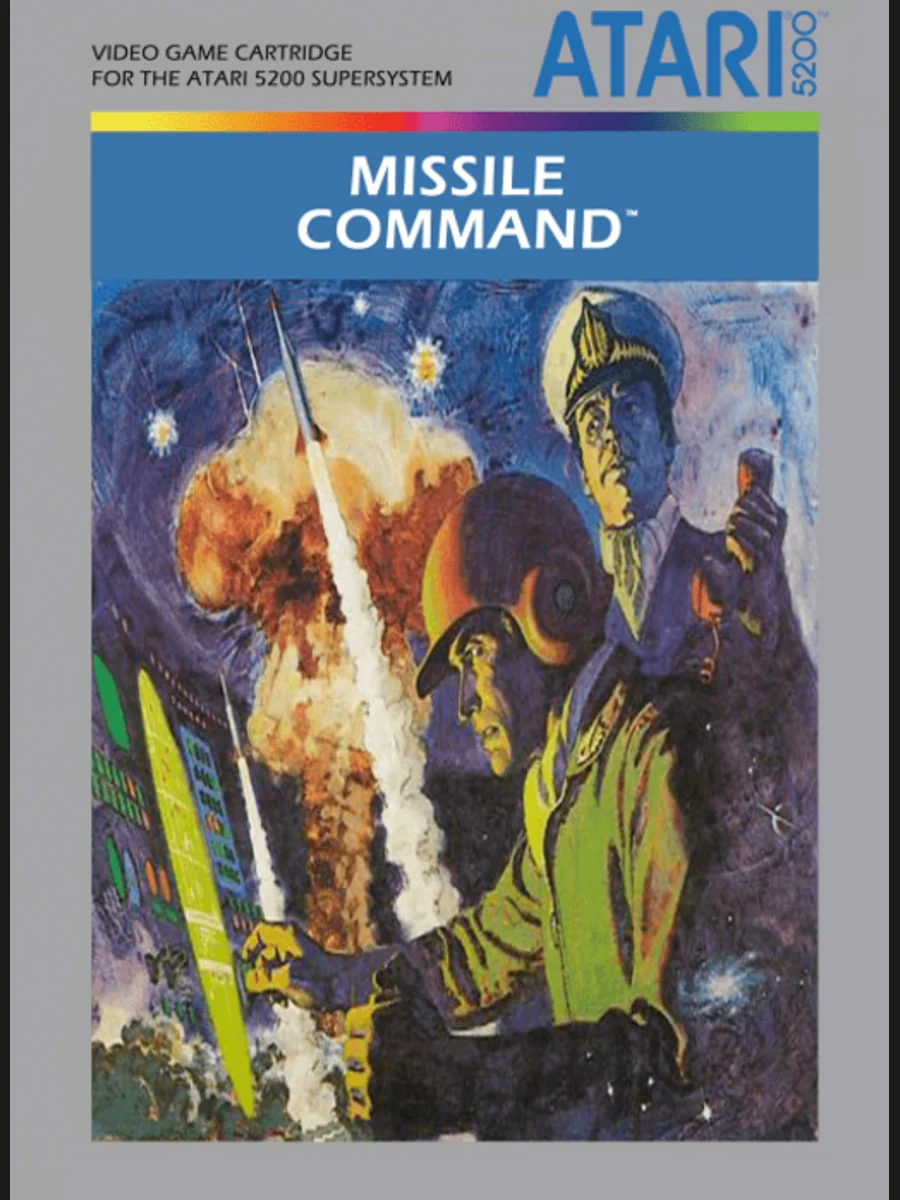
The machine started slowly, then exploded with Space Invaders in 1980. Bringing Taito's arcade hit home became a massive selling point. With Adventure, Asteroids, Missile Command, Yars' Revenge, Pitfall! and River Raid, the 2600 became the symbol of a first great generation of console collectors.
Breakout, Steve Jobs and the garage legend
Atari history is also full of garage legends. One of the most famous involves Breakout, released in arcades in 1976. Atari gave a young Steve Jobs the task of producing a prototype with as few chips as possible. Jobs asked his friend Steve Wozniak, future Apple co-founder, for help.
Wozniak designed a highly optimized circuit, technically impressive even if too complex to manufacture as-is. The story became famous because it connects Atari, Apple, arcade culture and hacker ingenuity in one scene. Above all, it shows Atari as a laboratory where game design, electronics and business moved fast together.
The triumph that prepared the fall
The 2600's success attracted everyone. Third-party publishers appeared, with Activision leading the way after former Atari developers left to get proper recognition. At first, that was healthy: better games, more competition, more choice.
Then the American market overheated. Shelves filled with games made too quickly, sometimes poor, often over-shipped. Retailers ordered heavily, then discovered that not every cartridge could sell like Space Invaders or Pac-Man.
Pac-Man on Atari 2600 captures that moment: a gigantic name, enormous expectations, an adaptation far removed from the arcade original, and production volumes the market could not absorb. E.T. the Extra-Terrestrial pushed the logic even further. Developed in a rush by Howard Scott Warshaw for Christmas 1982, it became the symbol of an industry moving faster than its own discipline.
E.T. and the 1983 crash
It would be unfair to say that E.T. alone caused the 1983 video game crash. The reality was broader: overproduction, weak quality control, price wars, competition from home computers, retailer distrust and consumer confusion. But E.T. became the perfect image of that moment because it combined commercial pressure, a Hollywood license and the feeling of a market out of control.
The New Mexico landfill story seemed almost too perfect for years. The 2014 Alamogordo excavation confirmed that Atari cartridges, including E.T., had indeed been buried. It was not just a collector myth: it was a physical symbol of the end of an era.

Atari 5200, a difficult succession
The Atari 5200 arrived in 1982 to replace the 2600 at the high end. On paper it was stronger and close to Atari's 8-bit computer family. In practice, it had the wrong compromises at the wrong time.
Its non-centering analog controllers divided players, 2600 compatibility was not built in at launch, and the market was already shrinking. The 5200 was not simply a bad machine; it was a sign of a company trying to solve a commercial crisis with a hardware answer.
7800, too late against Nintendo
The Atari 7800 was built to correct course. It supported 2600 games, had solid graphics for its time and aimed to put Atari back in the living room. But the sale of Atari to Jack Tramiel in 1984 delayed its commercial launch. By the time it properly arrived in 1986, the landscape had changed.
Nintendo had taken control of the story with the NES: quality control, licensing, family marketing, mascots and coherent packaging. The 7800 had qualities, but it looked like a late answer to a battle Nintendo had already redefined.

Lynx, the handheld that was too ambitious
The Atari Lynx launched in 1989 and was technically impressive. Color screen, advanced hardware, fast games and a design originally created at Epyx as the Handy: next to Nintendo's monochrome Game Boy, the Lynx looked almost futuristic.
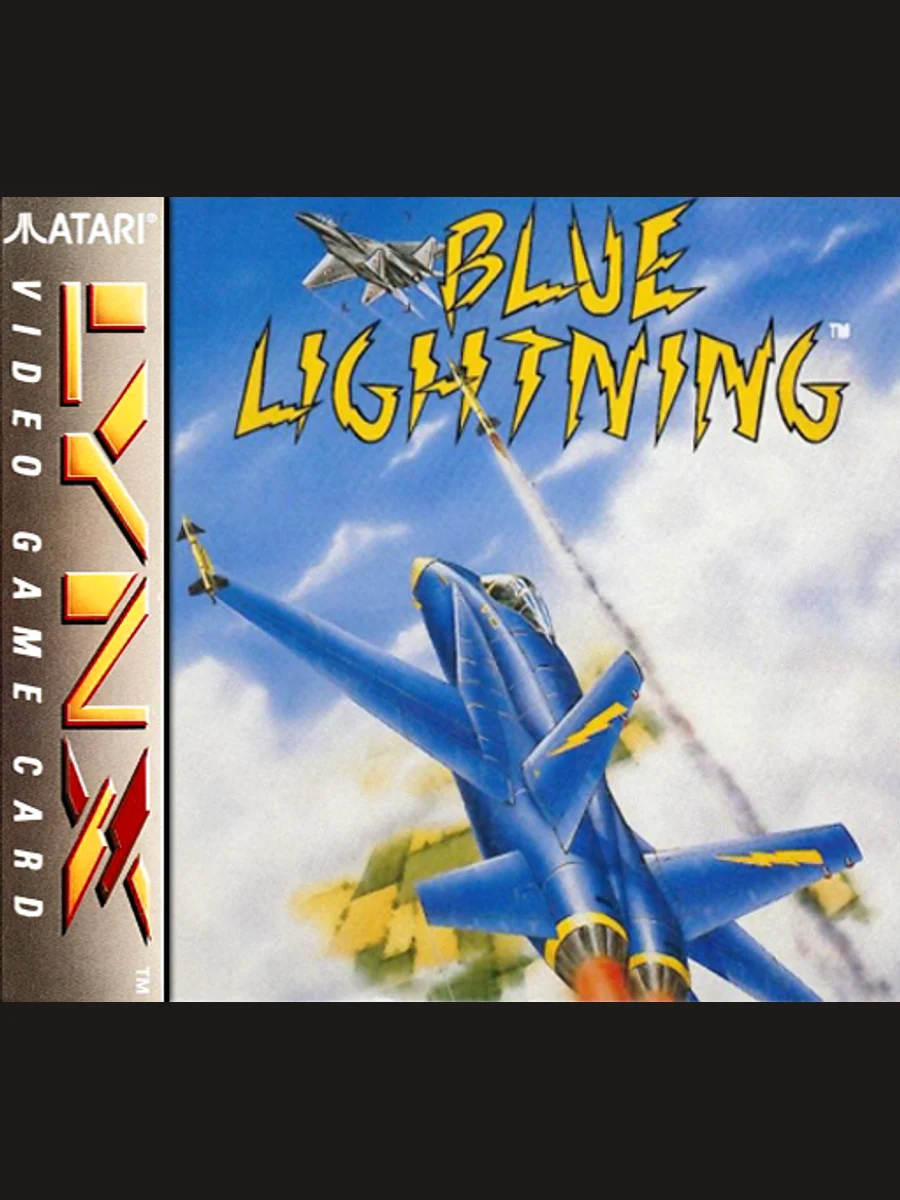
But the future was expensive. It was larger, used more batteries, and Atari no longer had the commercial strength to impose a global handheld standard. Blue Lightning, California Games, Rygar and Chip's Challenge still show how much personality the machine had.

Jaguar, the last big bet
The Jaguar arrived in 1993 with an aggressive promise: the first 64-bit console. The slogan was memorable, but the technical reality was complicated. The machine was powerful in places, difficult to master, and rarely supported by a steady library.
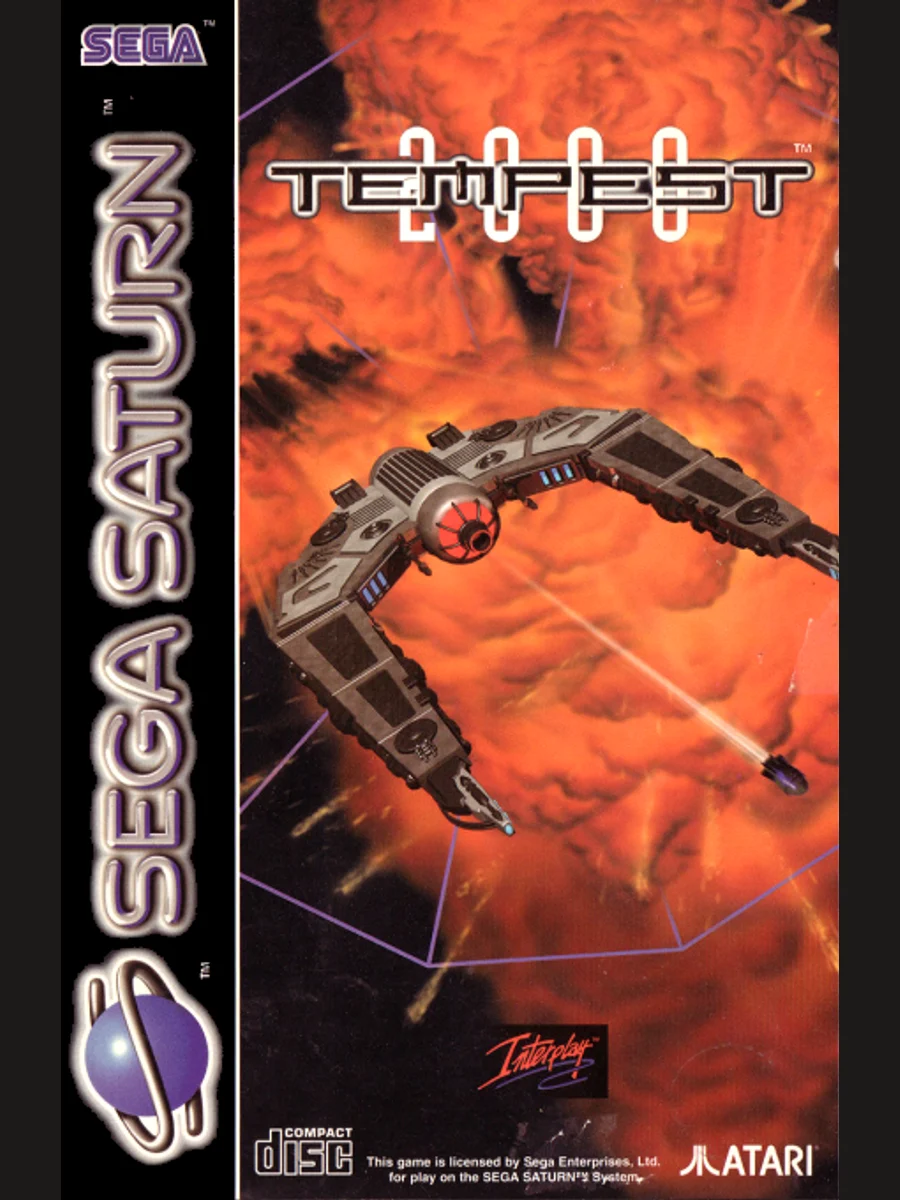
Tempest 2000 proved the Jaguar could deliver something hypnotic and modern. Alien vs Predator became one of its showpieces. Rayman showed how beautiful 2D could still be. But the console lacked support, clarity and momentum. Jaguar CD arrived too late and added another layer of confusion.

Why Atari still matters
Atari remains fascinating because its story contains everything: invention, arrogance, genius, chaos, rushed marketing, misunderstood machines, cult games and spectacular mistakes. It helped create modern video games, then taught the entire industry what not to do.
Collecting Atari is therefore not only about old boxes. It is a way to follow the trajectory of a whole industry: arcade cabinets, cartridges, the family living room, the crash, the Japanese revival of the market, color handhelds, 64-bit slogans, and the question retro fans keep asking: what if Atari had managed its own success better?
Published on June 1, 2026
Retrogaia
Related games
Retrogaia