Article
Crash Bandicoot: the making of a PlayStation mascot
From Willy the Wombat to PlayStation icon: the creation, success, games and legacy of Crash Bandicoot.
A marsupial built for the PlayStation era
Crash Bandicoot was born in the mid-1990s, when the video game industry was still learning how to carry the energy of 16-bit mascots into 3D. Nintendo had Mario, Sega had Sonic, and Sony was launching the first PlayStation without a character that clearly embodied the machine. That gap gave Naughty Dog, then a small American studio led by Jason Rubin and Andy Gavin, room to create an orange, silent, hyperactive hero who could be recognized instantly on a box, in a magazine ad or on a TV commercial.
The story begins at Universal Interactive Studios. After Way of the Warrior on 3DO, Naughty Dog signed with Universal and worked under the influence of Mark Cerny, a key production figure. The starting idea was simple and ambitious: make a 3D platform game that kept the readability, rhythm and precision of an arcade obstacle course. The project was first nicknamed "Willy the Wombat". The hero then changed species, became a bandicoot, and took the name Crash because of his very practical habit of smashing crates.
Creators and visual identity
Jason Rubin and Andy Gavin shaped the game direction, but Crash became Crash through the visual work of Joe Pearson and Charles Zembillas. The character had to be readable from behind, because the camera would often sit just behind him. That explains the instantly recognizable silhouette: spiky hair, big eyes, blue jeans, sneakers, gloves and a cartoon attitude that moves before it thinks.
The design also had to work on PlayStation hardware. 3D models were angular, faces had limited detail, and animation had to do a lot of the acting. Crash therefore exaggerates everything: he spins, grimaces, falls, dances and dies with slapstick energy. That physical comedy helped define the character, especially because he barely speaks.
The first game
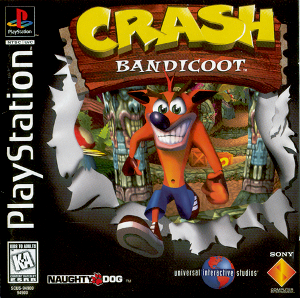
The first Crash Bandicoot launched on PlayStation in 1996. It was developed by Naughty Dog and published by Sony Computer Entertainment, with Universal Interactive deeply involved in production and ownership. In North America it arrived on 9 September 1996, followed by Europe in November. In Japan, Sony adjusted the promotional image and tone to make Crash cuter and more approachable for local audiences.
The game is a linear 3D platformer. Crash crosses the Wumpa Islands to stop Doctor Neo Cortex, rescue Tawna, smash crates, collect gems and survive levels that switch between into-the-screen corridors, chase sequences, side-scrolling sections and animal rides. At a time when Super Mario 64 popularized free exploration, Crash chose a different path: a controlled roller coaster, more like a spectacular obstacle course.
Why it felt new
Crash Bandicoot did not invent 3D platforming, but it offered a very different answer. Where Mario opened spaces, Crash compressed the action into detailed corridors. That constraint allowed Naughty Dog to show dense, colorful environments that looked unusually rich for the time. Because the camera was mostly controlled by the developers, artists could frame the action precisely and give the game a cinematic personality.
Technically, the game impressed with its visual density, animation, pacing and tropical identity. The crate system was a brilliant design move: it gave every level a simple objective, structured progression, encouraged replay and created an audio-visual signature. Smashing a Crash crate already feels like playing Crash.
Why it became a hit
Crash arrived at exactly the right time. PlayStation needed to show it could host colorful family-friendly games, not only edgier or more technical experiences. Crash answered that need with a funny hero, a memorable world, short levels, approachable rules and box art that could sell the attitude immediately.
Sony pushed the character hard. American ads turned Crash into a troublemaker who challenged Nintendo and Sega on their own mascot battleground. Sony never owned Crash the way Nintendo owns Mario, but in the public imagination Crash became the unofficial PlayStation mascot. Demo kiosks, TV campaigns, magazine spreads and packaging all tied him closely to the console.
Commercially, the success was huge. The first game sold more than six million copies worldwide. By 2000, Sony was already communicating more than 11.5 million Crash games sold in under three years across the early releases. The original trilogy became one of the pillars of the PlayStation library, and Crash even achieved the rare feat of becoming a successful Western mascot in Japan.
The PlayStation golden run
Naughty Dog moved quickly. Crash Bandicoot 2: Cortex Strikes Back arrived in 1997 and refined almost everything: smoother levels, a central hub, better balance and secrets that felt more integrated. Crash Bandicoot: Warped followed in 1998 and expanded the formula with time-travel themes, motorcycles, jet skis, planes, power-ups and a generous structure. Warped is often treated as the peak of the original trilogy.
In 1999, Crash Team Racing proved the franchise could move beyond platforming. Still developed by Naughty Dog, it became one of the strongest rivals to Mario Kart, with real speed, a full adventure mode and a drift system with its own skill ceiling. In 2000, Crash Bash, developed by Eurocom, moved Crash into party-game territory, even if the reception was more mixed.
After Naughty Dog: a franchise changes hands
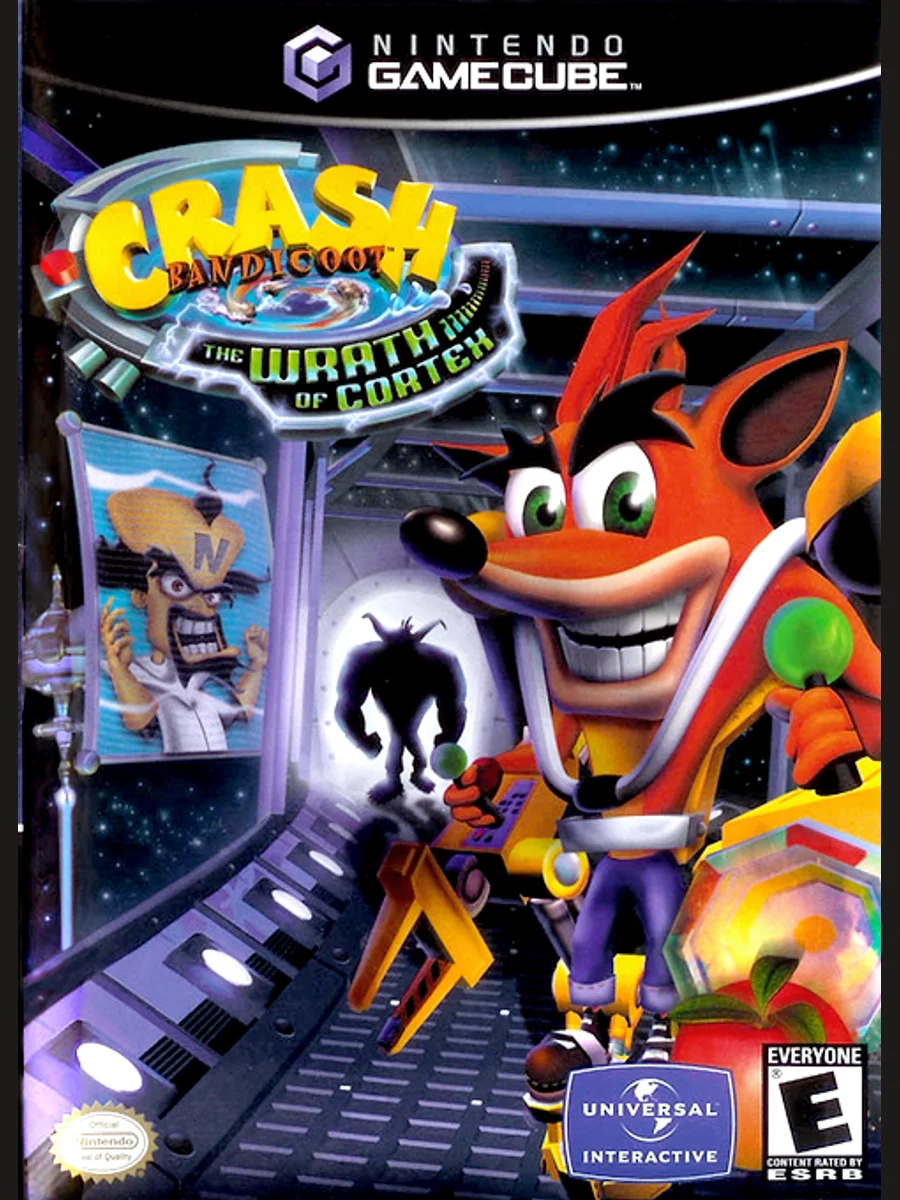
After the PlayStation era, the licence left Sony exclusivity. Crash Bandicoot: The Wrath of Cortex arrived in 2001 on PlayStation 2, then Xbox and GameCube, developed by Traveller's Tales. It was a symbolic moment: Crash was no longer only the face of one machine, but a multiplatform franchise.
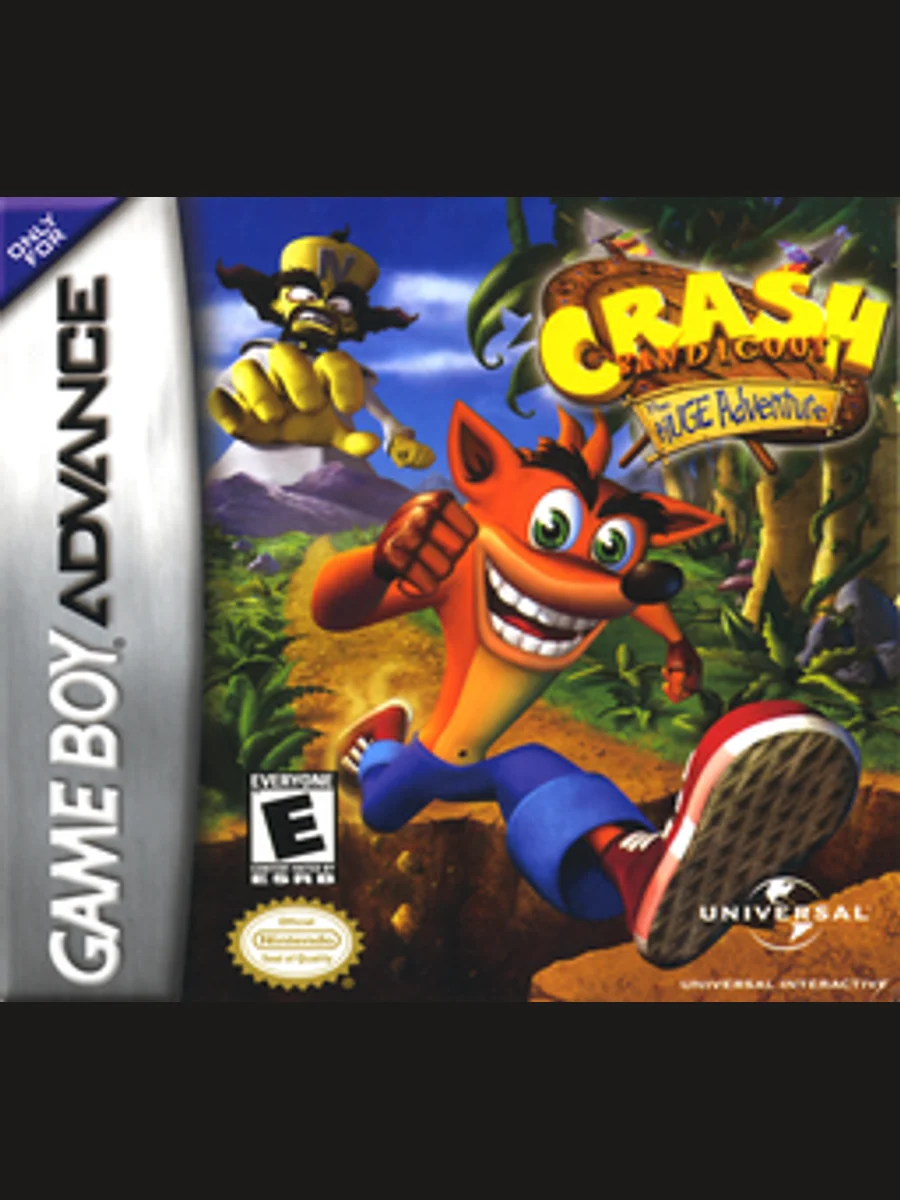
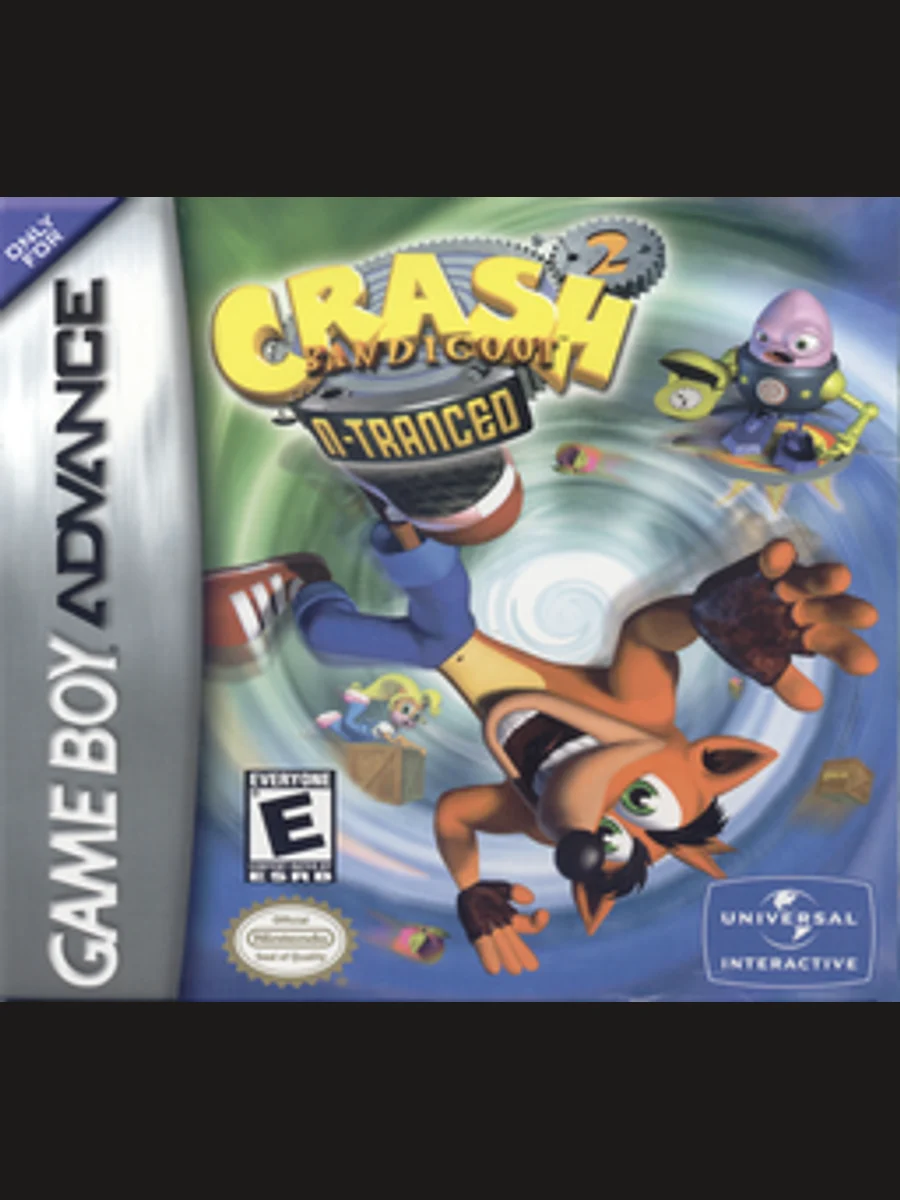
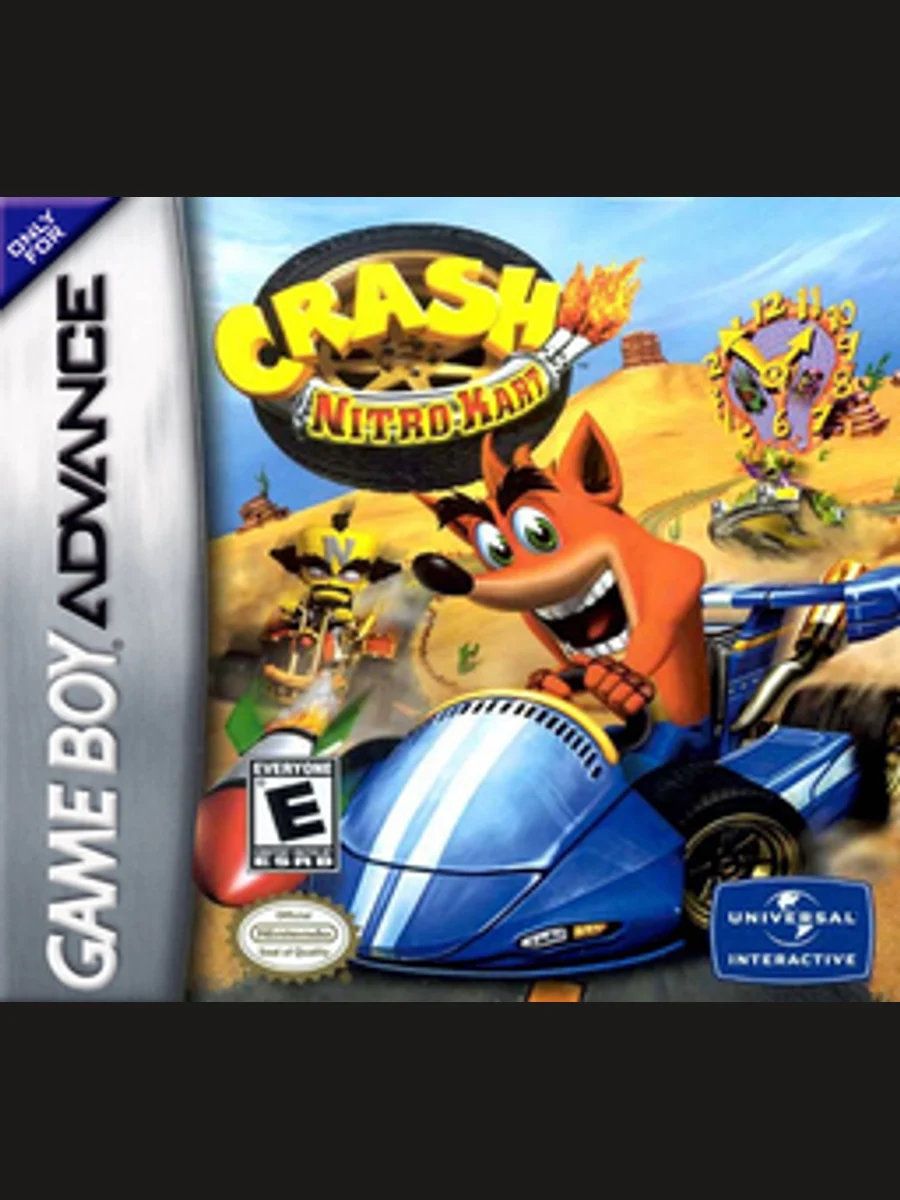
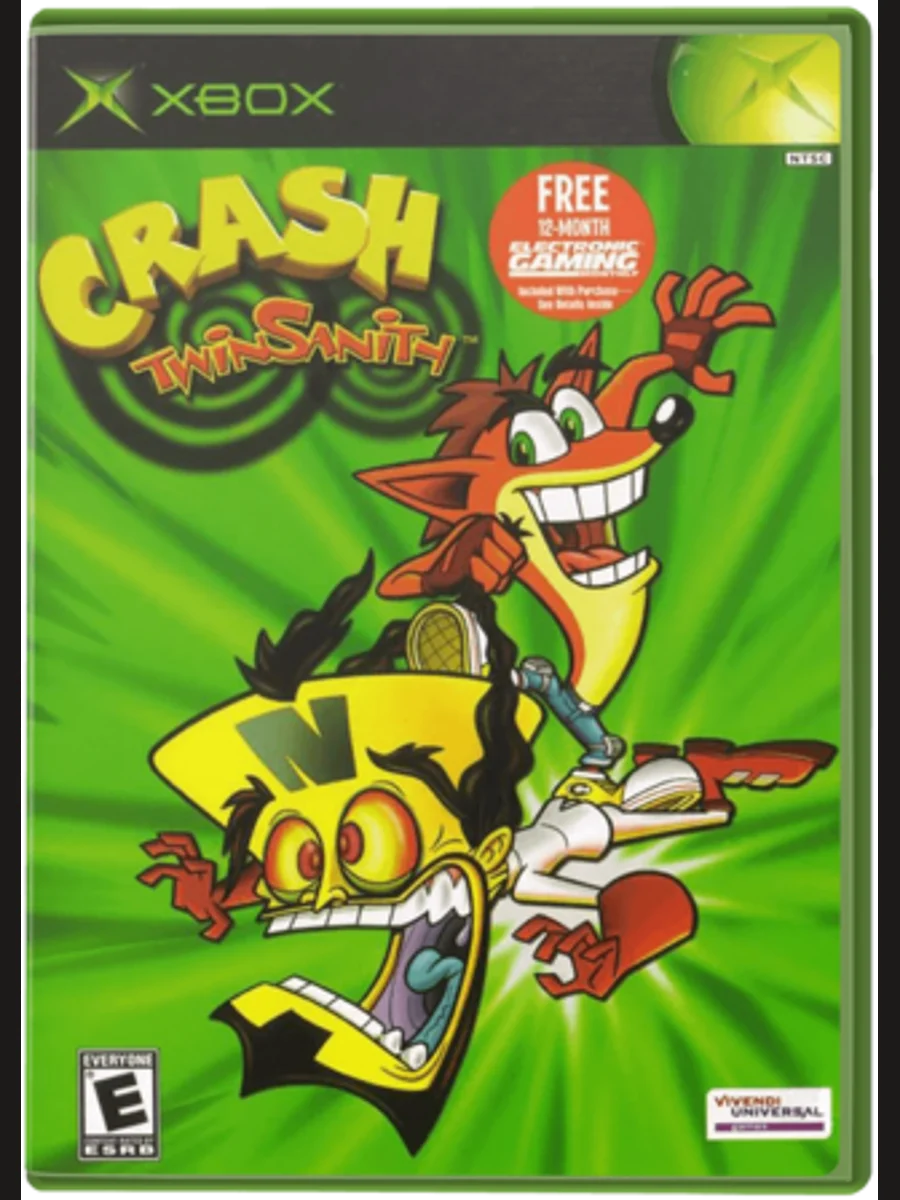
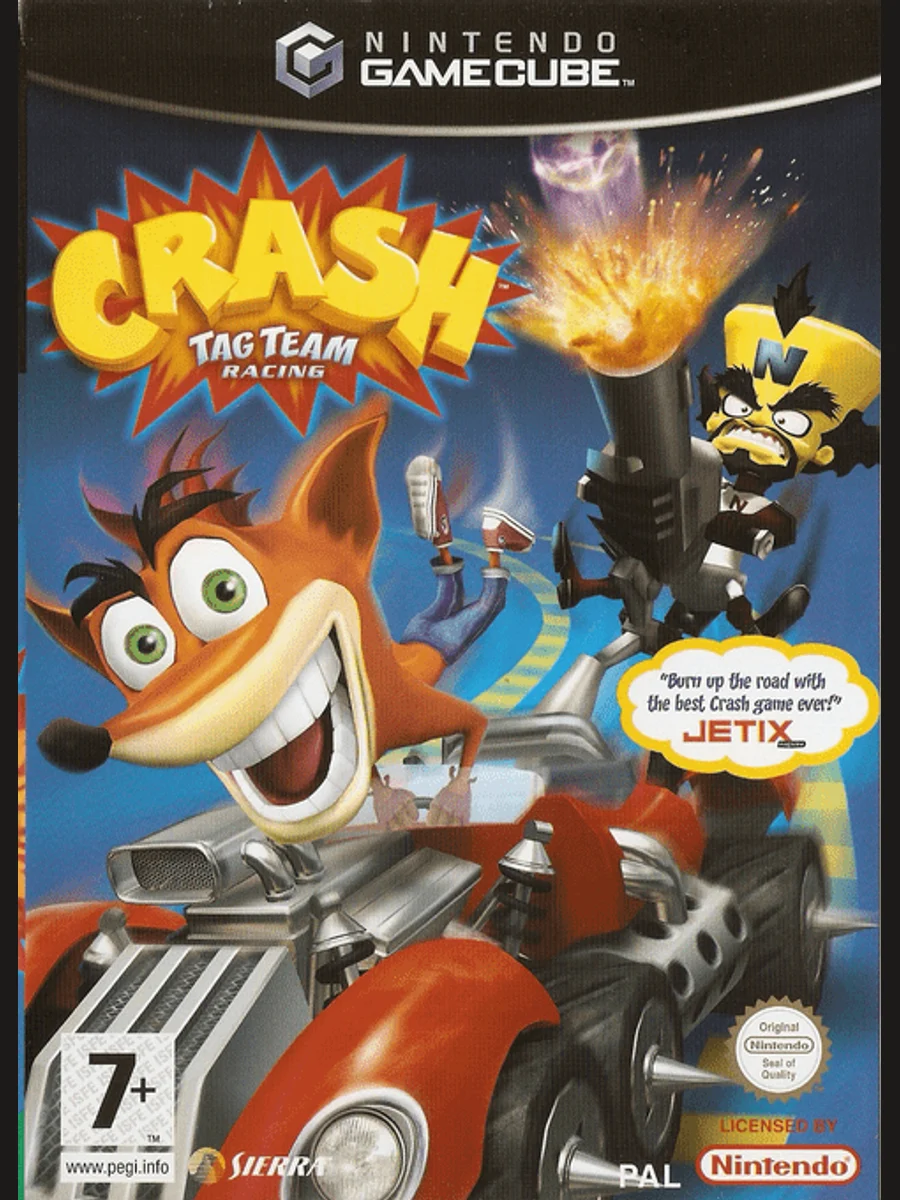
The 2000s took Crash in many directions. On Game Boy Advance, Vicarious Visions developed The Huge Adventure in 2002 and N-Tranced in 2003, translating the formula efficiently into 2D. Crash Nitro Kart arrived in 2003 and returned to kart racing. Twinsanity, in 2004, tried a more absurd and open tone, and has since become a cult favorite. Crash Tag Team Racing mixed racing and action in 2005. Crash Boom Bang! explored party-game design on Nintendo DS in 2006.
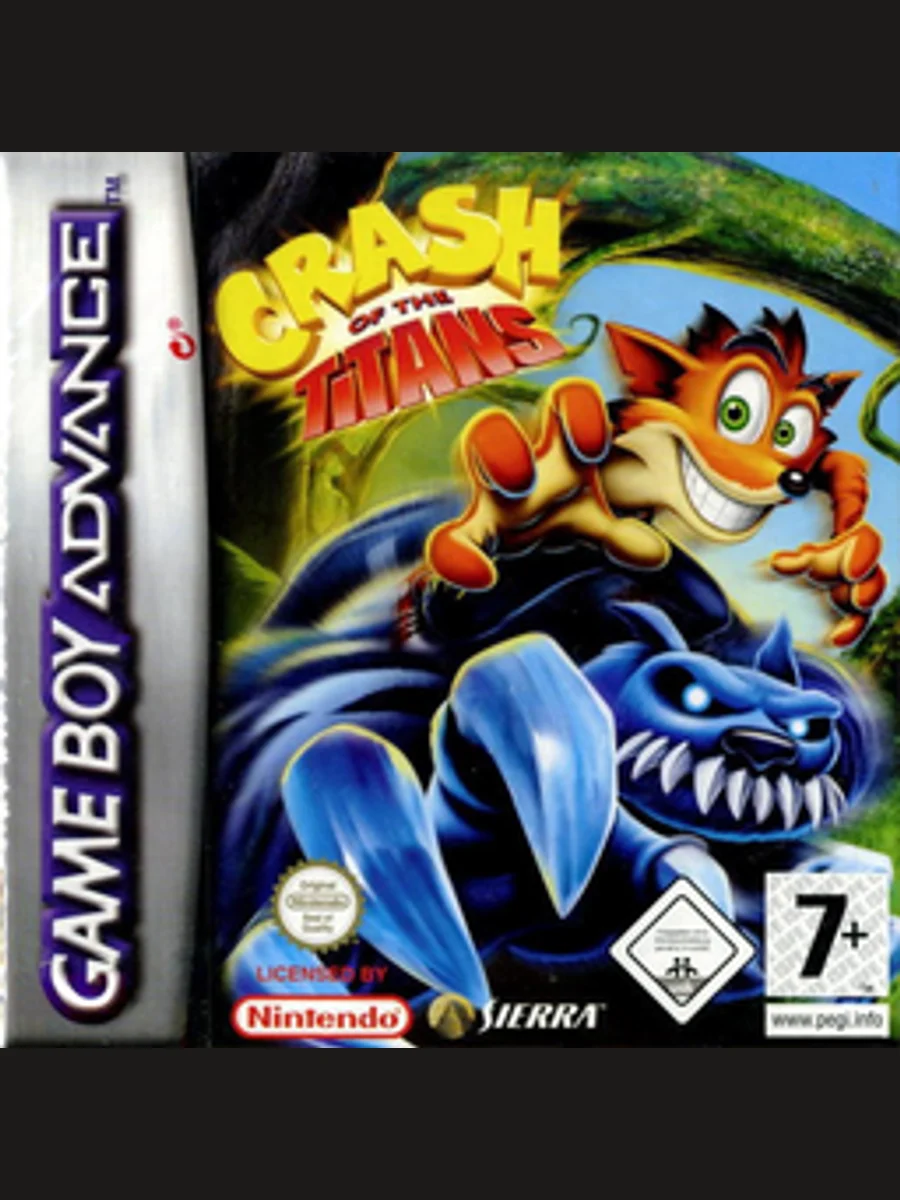
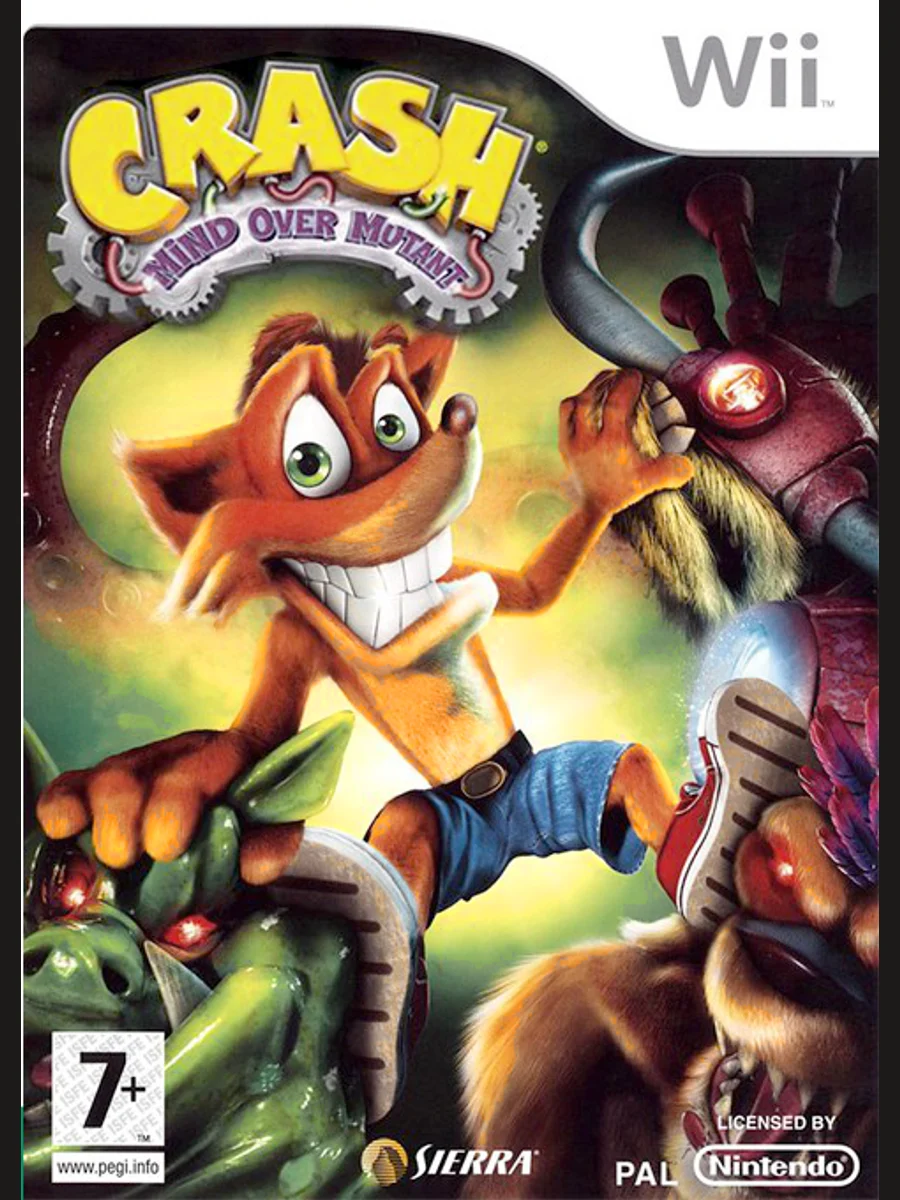
The series then leaned toward action with Crash of the Titans in 2007 and Crash: Mind over Mutant in 2008. Crash fought more directly, hijacked enemy creatures and moved away from classic platforming. Those games have fans, but they divided players because they changed the original formula so dramatically.
The nostalgia comeback
Crash returned to the spotlight with Crash Bandicoot N. Sane Trilogy in 2017. Developed by Vicarious Visions, the collection remade the three Naughty Dog platformers with modern visuals. It launched first on PlayStation 4, then on Xbox One, Nintendo Switch and PC in 2018. It passed ten million units shipped, proving that PlayStation nostalgia had become a powerful modern market.
Crash Team Racing Nitro-Fueled did the same for Naughty Dog's kart racer in 2019, adding tracks, characters and content from across the series. Then Crash Bandicoot 4: It's About Time arrived in 2020, developed by Toys for Bob. It acted as a direct sequel to the original trilogy, with quantum masks, tougher platforming, modern and retro modes, and a clear desire to modernize the PlayStation formula without losing its precision.
Crash also reached mobile with Crash Bandicoot: On the Run! in 2021, an endless runner by King, and competitive multiplayer with Crash Team Rumble in 2023, a team-based Wumpa-collecting arena game.
Every genre Crash touched
The franchise began as a platform series, but it has moved through many formats: linear 3D platforming, portable 2D platforming, kart racing, party games, action-adventure, light beat'em up, mobile endless runner, remake, remaster and arena multiplayer. Crash also appeared as a guest in Skylanders Imaginators, with a dedicated figure and a level inspired by his world.
That variety explains part of the licence's longevity. Crash can be a precision platformer, a racer, a family product, a nostalgia object or a collectible character. Few non-Nintendo mascots have remained so recognizable while changing formats so often.
Merchandise and pop culture
Crash quickly moved beyond games. During the PlayStation years he became a magazine, TV commercial, store display and marketing icon. With the modern revival, merchandise expanded again: plush toys, figures, shirts, mugs, posters, pins, premium statues, Funko Pop releases, Numskull and First 4 Figures collectibles, plus Skylanders toys.
Crash works as merchandise because his visual language is simple: orange fur, stupid grin, denim shorts and crates. Even someone who has not played since 1998 can recognize the silhouette in a second.
Legacy
Crash Bandicoot remains one of the defining mascots of the first PlayStation. He was never Sony's institutional equivalent of Mario, because Sony did not own the rights in the same way Nintendo owns Mario. But in collective memory, he served that role: the character who proved PlayStation could also be funny, colorful, accessible and family-friendly.
His story also mirrors the evolution of video games: mascot wars, the birth of 3D, aggressive 1990s marketing, platform expansion, modern nostalgia and the transformation of licences into transmedia brands. Crash began as a studio gamble, became a PlayStation argument, and then turned into a worldwide franchise. Not bad for a bandicoot whose main job was to break crates.
Published on May 28, 2026
Retrogaia
Related games
Retrogaia